Do You Eat Healthy?
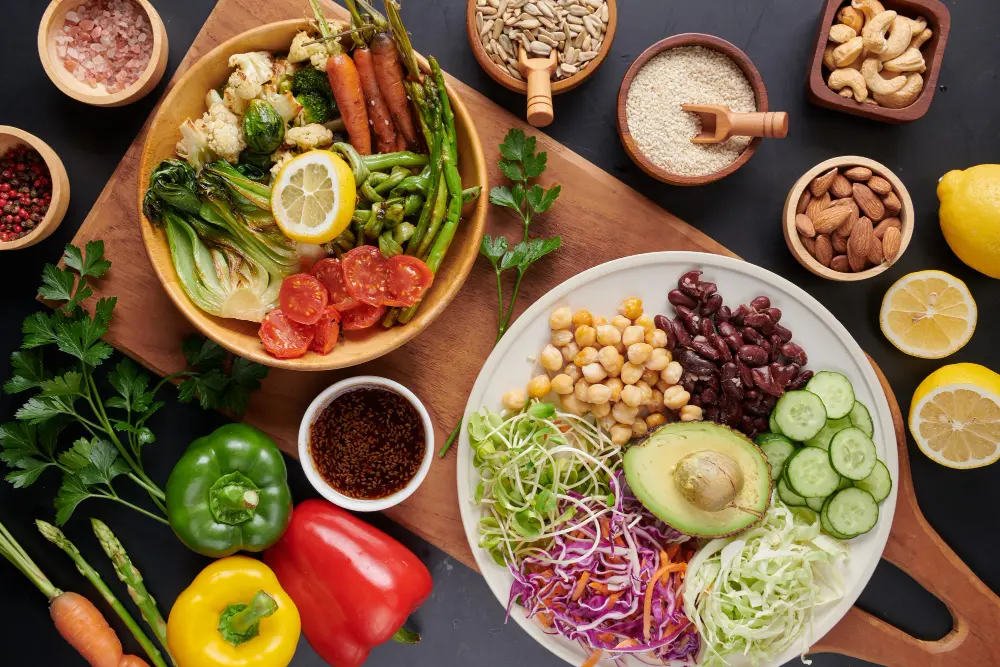
Eating healthy is not just about losing weight or following a temporary diet. It is a way of life that directly impacts your energy, mood, longevity, and overall quality of life. Here we share some of the main benefits of adopting a balanced and mindful diet:
🔹 Improve your energy and concentration
Foods rich in fiber, protein, and healthy fats —such as fruits, vegetables, legumes, nuts, and fish— help stabilize blood sugar levels, preventing spikes in fatigue and lack of focus.
🔹 Strengthen your immune system
Vitamins such as C, D, and minerals like zinc and selenium, found in fresh and natural foods, strengthen your defenses and reduce the risk of common infections.
🔹 Promotes mental health
Studies have shown that a diet rich in omega-3s (such as salmon and chia seeds), antioxidants, and probiotics (such as natural yogurt) is associated with lower levels of anxiety and depression.
🔹 Prevents chronic diseases
A diet based on vegetables, whole grains, and healthy fats significantly reduces the risk of type 2 diabetes, hypertension, and cardiovascular diseases.
🔹 Improve your digestion and gut microbiota
Dietary fiber —found in fruits, vegetables, and whole grains— is essential for healthy digestion and for feeding the good bacteria in the gut.
🔹 It helps you maintain a healthy weight
It's not about extreme restrictions, but about balance: eating when you're hungry, stopping when you feel full, and choosing nutritious foods most of the time.
🍽️ Eating healthy does not mean giving up pleasure. It means choosing consciously, enjoying in moderation, and listening to your body.
📝 Cuestionario: ¿Tienes un régimen alimenticio saludable? / Quiz: Do You Have a Healthy Eating Pattern?
PREGUNTA / QUESTION
SÍ / YES
NO / NO
1. Consumo al menos 5 porciones de frutas y verduras al día. / I eat at least 5 servings of fruits and vegetables daily.
☐
☐
2. Elijo agua como bebida principal, en lugar de refrescos o jugos azucarados. / I choose water as my main drink instead of soda or sugary juices.
☐
☐
3. Incluyo fuentes de proteína magra (pollo, pescado, legumbres, tofu) en la mayoría de mis comidas. / I include lean protein sources (chicken, fish, beans, tofu) in most meals.
☐
☐
4. Evito comer ultraprocesados (snacks empaquetados, comida rápida, postres industriales) más de una vez por semana. / I avoid ultra-processed foods (packaged snacks, fast food, industrial desserts) more than once a week.
☐
☐
5. Planifico mis comidas y evito saltarme el desayuno. / I plan my meals and rarely skip breakfast.
☐
☐
6. Leo las etiquetas nutricionales al comprar alimentos. / I read nutrition labels when buying food.
☐
☐
7. Cocino en casa la mayoría de los días (≥5 días/semana). / I cook at home most days (≥5 days/week).
☐
☐
8. Escucho las señales de hambre y saciedad de mi cuerpo (como cuando estoy satisfecho). / I listen to my body’s hunger and fullness cues.
☐
☐
9. Limito el azúcar añadido (por ejemplo, en café, postres, cereales). / I limit added sugar (e.g., in coffee, desserts, cereals).
☐
☐
10. Disfruto de mis comidas sin culpa y practico la alimentación consciente. / I enjoy meals without guilt and practice mindful eating.
📊 Interpretación / Interpretation
- 9–10 Sí / Yes: ¡Excelente! Tu régimen alimenticio es equilibrado y consciente. Excellent! Your diet is balanced and mindful.
- 6–8 Sí / Yes: Buen camino. Hay espacio para ajustes pequeños pero significativos. Good journey. There is room for small but significant adjustments.
- ≤5 Sí / Yes: Podrías beneficiarte de revisar tus hábitos y buscar apoyo (nutricionista, recursos confiables, planificación semanal).
You could benefit from reviewing your habits and seeking support (nutritionist, reliable resources, weekly planning).
💡 Recuerda: la perfección no es el objetivo. La consistencia y la conciencia sí lo son.
Remember: Perfection isn’t the goal—consistency and awareness are.
Si aún no tienes una póliza de seguro, contáctanos y con gusto te ayudaremos a tomar la mejor decisión para ti, tu familia y tu presupuesto