Hurricane Andrew
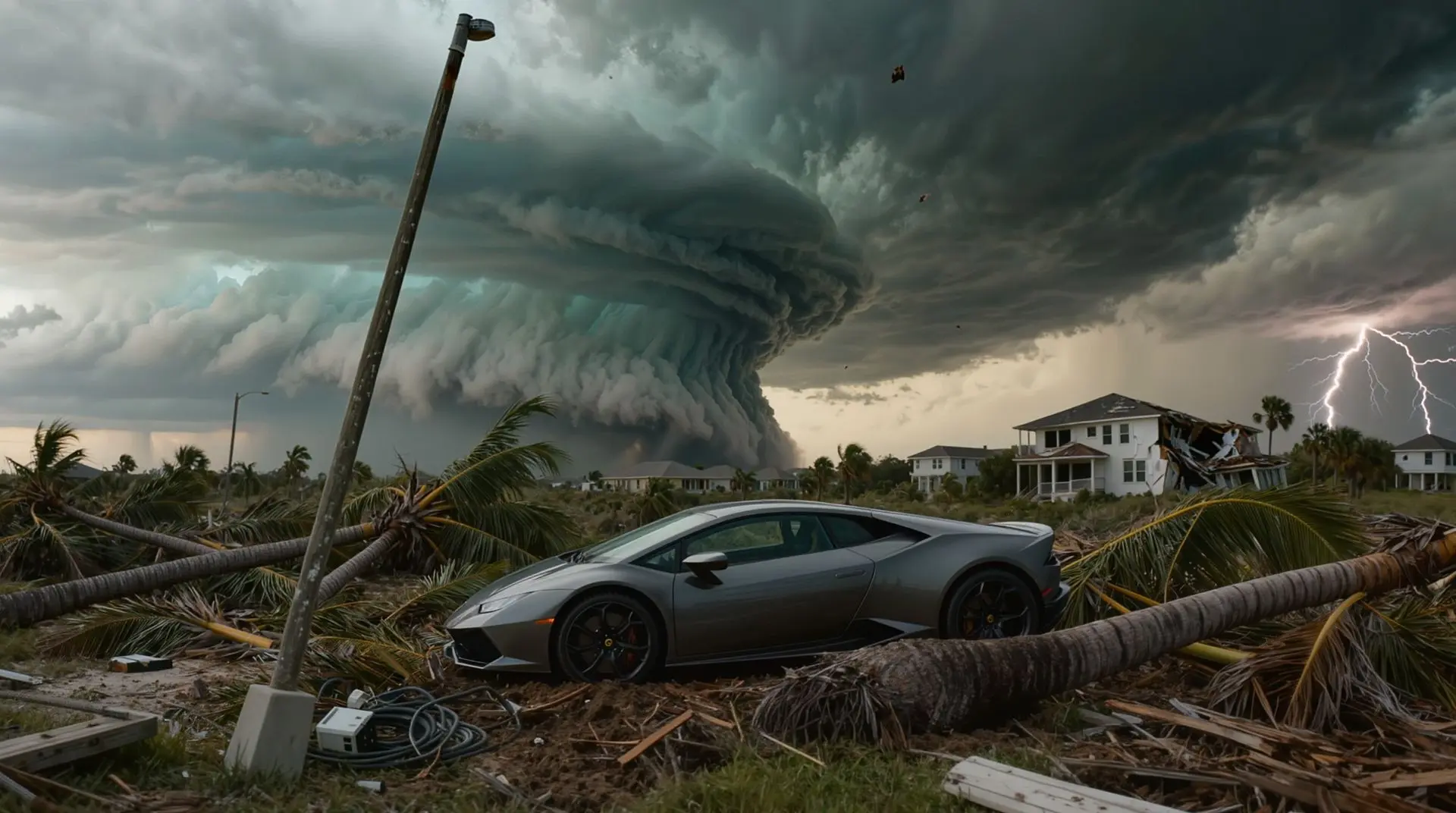
Few have been as impactful as Hurricane Andrew, which is considered one of the most devastating to hit the state. This article explores the details of this natural phenomenon, its causes, the damage it caused, and the lessons learned in its wake.
The Rise of Hurricane Andrew
The hurricane Andrew formed in the Atlantic Ocean in August 1992. It was a category 5 hurricane, the highest on the Saffir-Simpson hurricane scale, meaning its sustained winds exceeded 250 kilometers per hour. Andrew rapidly strengthened as it approached the Caribbean and then struck southern Florida with devastating force.
The Impact in Florida
On August 24, 1992, Andrew made landfall in the Bahamas before striking southern Florida, particularly affecting the Miami-Dade area. With hurricane-force winds and storms that caused severe flooding, the hurricane destroyed tens of thousands of homes, left more than 175,000 people homeless, and caused damages estimated at nearly $30 billion. It was responsible for 65 direct and indirect deaths.
The Causes Behind the Hurricane
Hurricanes form from tropical storms under specific atmospheric conditions: warm ocean waters, high humidity, and favorable weather patterns for their development. Andrew was particularly powerful due to the high ocean temperatures that year and the low wind in the upper levels of the atmosphere, which allowed the storm to strengthen rapidly.
Lessons Learned and Changes Implemented
The impact of Andrew resulted in a comprehensive reevaluation of building regulations in Florida. As a result, stricter building codes were implemented to ensure that future homes would be more resistant to hurricane winds. Additionally, the hurricane highlighted the need to improve early warning systems and evacuation procedures to minimize human risk in future events.
The Crucial Role of Insurance Policies During Hurricane Andrew
The devastating impact of Hurricane Andrew in Florida not only tested the resilience of infrastructure and communities but also the effectiveness of insurance policies during times of crisis. Hurricane Andrew turned out to be a catalyst for significant changes in the insurance industry, and here we explore how these policies played a vital role in the recovery of those affected.
Immediate Economic Impact
When Andrew struck South Florida, it left behind a landscape of massive destruction, affecting thousands of homes and businesses. Amid all the physical, financial, and emotional challenges, property insurance policies became an essential safety net for many families and businesses. These policies provided immediate financial relief, helping to mitigate the costs associated with repairs and losses.
Challenges Encountered by the Insured
While many insured individuals found relief in their policies, Andrew also revealed cracks in the system. Many policies did not cover the total costs of repairs due to insufficient assessments of hurricane risk and incorrectly calculated premiums. The massive volume of claims also led to significant delays in obtaining funds, creating additional stress for the insured.
Reforms in the Insurance Industry
In the wake of Andrew, the insurance industry underwent a significant transformation. There was a complete reevaluation of how insurance premiums were calculated in hurricane-prone areas, resulting in an adjustment of rates to more accurately reflect the actual risk. This experience also led to the creation of the Florida Hurricane Catastrophe Fund, designed to help stabilize the insurance market and ensure that companies could pay claims in future disasters.
Consumer Education and Awareness
The hurricane Andrew has served as a lesson for residents in hurricane-prone areas, highlighting the importance of fully understanding the coverage of their policies. As a result, more homeowners and businesses have become proactive in reviewing their insurance to ensure they are adequately covered, including considering flood insurance, which is not always included in standard homeowners' policies.
Reconstruction and Renewal
Thanks to insurance, many families and businesses were able to embark on the path to recovery. They rebuilt homes, restored businesses, and took steps to strengthen their structures against future disasters. Through insurance payments, money was injected into the local economy, helping to reactivate the affected area.
If you don't have an insurance policy yet, contact us and we will gladly help you make the best decision for you, your family, and your budget.